
Immigration Runners

Blog

Your blog category

Supporting evidence: USCIS stricter review

Supporting evidence: USCIS stricter review

Supporting evidence has become one of the most critical factors in immigration filings as USCIS continues to apply stricter review standards across applications. Marriage-based petitions and waiver applications are now being evaluated with closer scrutiny, requiring applicants to submit more consistent documentation and credible proof to support their claims.  This shift has created challenges for many applicants. In many cases, incomplete or weak documentation can lead to delays, requests for evidence (RFE’s), or even denials. Therefore, understanding how these applications are evaluated is essential for building a strong immigration case.  Now more than ever, firms must be proactive in organizing records, verifying consistency, and ensuring that every claim is backed by reliable documentation. Immigration Runners can assist attorneys and legal teams by helping ensure that sufficient evidence is properly gathered, organized, and reviewed, reducing errors and delays in client cases.   What does stricter USCIS review mean for supporting evidence?  Immigration Runners can assist in such tasks as document collection as USCIS has increased its level of scrutiny in response to concerns about fraud prevention and case integrity. This means officers are carefully reviewing whether the evidence submitted is:  Consistent across all forms and documents   Credible and verifiable   Relevant to the eligibility requirements   Clearly connected to the claimed relationship or hardship   In many cases, even small inconsistencies can raise questions. However, this does not mean cases are impossible to approve. It simply means the quality of evidence submitted must be stronger and more organized than before.  For official guidance, applicants can review uscis requirements here: USCIS official website.   Supporting evidence in marriage-based petitions and waivers  Marriage-based petitions and waiver applications are currently among the most heavily scrutinized categories. As a result, the evidence submitted plays a decisive role in approval outcomes.  In marriage-based cases, USCIS often looks for:  Joint financial records (bank accounts, taxes, leases)   Proof of shared residence   Photos and relationship history   Affidavits from family and friends   Communication records over time   For waiver applications, the documents submitted must clearly demonstrate hardship, eligibility, or qualifying relationships.  For example, in many cases, applicants must show:  Medical records or psychological evaluations   Financial dependency documentation   Country conditions reports   Family impact statements   Additionally, consistency across all documents is essential. Now, officers are trained to identify discrepancies between statements and submitted evidence, which can affect credibility.  What USCIS expects in supporting evidence  USCIS does not require perfect cases, but it does require credible and well-documented ones. Therefore, strong evidence should meet the following expectations:  Clearly supports each eligibility requirement   Is organized and easy to follow   Contains no major contradictions   Includes both primary and secondary documentation   In many cases, stronger cases include layered evidence, such as combining financial, emotional, and relational documentation.  Moreover, consistency is key. For instance, addresses, dates, and personal history should match all forms and statements. In these situations, Immigration Runners can assist in identifying inconsistencies and strengthening documentation before submission.  Consequences of weak evidence  Weak or insufficient evidence can lead to serious consequences, including:  Requests for evidence (RFEs)   Delays in processing times   Increased scrutiny in future filings   Denial of the application   In some situations, USCIS may also question the credibility of the entire application. Therefore, strong documentation is not optional—it is essential.  Additionally, once a case is denied due to insufficient evidence, reopening or refiling can become more complex.   How to protect your case with supporting evidence  Now more than ever, a strategic approach to documentation is required. Immigration Runners helps strengthen case preparation by supporting attorneys in ensuring that sufficient evidence is properly collected, reviewed, and organized before filing.  To further strengthen your application, consider the following steps:  Organize documents chronologically  Cross-check all forms for consistency   Include multiple types of evidence   Address potential weaknesses proactively   Seek legal review before submission   Furthermore, applicants should update their documentation regularly, especially in long-term cases such as waivers or family-based petitions.  In many cases, professional legal guidance can help identify gaps in evidence before USCIS review.   Conclusion  Immigration Runners is a tool that helps firms manage supporting evidence, which has become one of the most important factors in immigration case success under stricter USCIS review standards. As policies continue to emphasize credibility and consistency, applicants must ensure that all documentation is complete, organized, and reliable.  Ultimately, strong supporting evidence can significantly improve the strength of a case, while weak documentation can create unnecessary risk. For this reason, trusting Immigration Runners to assist firms in building a strong supporting documentation foundation is key and can ultimately relieve workload from other important tasks.   Explore our support for immigration attorneys: 👉 https://immigrationrunners.com/🔗 LinkedIn profile.✉️ contact@immigrationrunners.com

Supporting evidence: USCIS stricter review Read More »

U-visa: more fraud cases, more legal support

U-visa: more fraud cases, more legal support

The recent increase in immigration fraud investigations across the United States may lead to a significant rise in U-Visa applications. Many individuals who have been victims of fraud committed by notarys, immigration consultants, or others may qualify for immigration relief if they cooperated with law enforcement or suffered substantial harm as a result of the crime.  As attorneys prepare for a growing number of potential cases, managing increased workloads while maintaining quality representation becomes a major challenge. This is where immigration runners can provide valuable support.  What is a U-Visa?  A U-Visa is a form of immigration relief available to certain victims of qualifying crimes who have suffered substantial physical or mental abuse and have been helpful, are being helpful, or are likely to be helpful to law enforcement in the investigation or prosecution of criminal activity.   Why immigration fraud may increase U-Visa applications  In recent months, federal agencies have intensified efforts to investigate immigration fraud schemes involving authorized and unauthorized immigration consultants, fraudulent legal services, and individuals falsely presenting themselves as qualified representatives.  In many cases, victims lose thousands of dollars, miss important immigration deadlines, or become vulnerable to removal proceedings because of inaccurate filings.  In first place, attorneys should understand that many fraud victims may seek legal remedies that were previously unknown to them.  Additionally, increased enforcement efforts often encourage victims to come forward and cooperate with investigations.  Therefore, law firms may experience a surge in consultations involving potential eligibility.   How immigration runners can help with growing caseloads  As inquiriesfor this case type increase, attorneys may face challenges related to documentation, case preparation.  Immigration runners provides support services that help law firms manage these demands efficiently.  Services may include:  Case preparation and organization  Document collection and review  Translation services  Drafting declarations  Quality control reviews  FOIA review assistance  Attorney-ready case packets  This helps attorneys focus on legal strategy and client advocacy while maintaining efficient workflows.   What attorneys should do when screening potential cases  When evaluating potential cases, attorneys should carefully review:  The nature of the underlying criminal activity  Evidence of harm suffered by the client  Law enforcement involvement  Available police reports  Prosecutorial documentation  Certification eligibility requirements  However, not every victim of immigration fraud will automatically qualify for a U-Visa. Each case requires a detailed legal analysis based on the specific facts.   How immigration runners helps protect your cases  As demand increases, maintaining quality and consistency becomes critical.  Now then, law firms must balance client service with operational efficiency.  Immigration runners assists attorneys by providing structured support throughout the case preparation process.  This approach can help:  Improve file organization  Reduce administrative burdens  Increase preparation efficiency  Enhance quality control  Support growing caseloads  Finally, attorneys remain in control of legal representation while benefiting from additional operational support.   Conclusion  The recent increase in immigration fraud investigations may lead to a growing number of U-Visa applications nationwide. As victims seek legal remedies and attorneys experience increased demand, efficient case management becomes more important than ever.  Therefore, law firms should prepare for potential growth in related matters while ensuring each case receives careful legal review. Support services such as immigration runners can help attorneys manage workloads and maintain high standards of case preparation.  Because every situation is unique, individuals and law firms should seek qualified legal guidance when evaluating potential cases.  Partner with a team dedicated to supporting immigration attorneys: 👉 https://immigrationrunners.com/🔗 LinkedIn profile.✉️ contact@immigrationrunners.com

U-visa: more fraud cases, more legal support Read More »

Form Preparation: The Foundation of Every Case

 Form Preparation: The foundation of every case

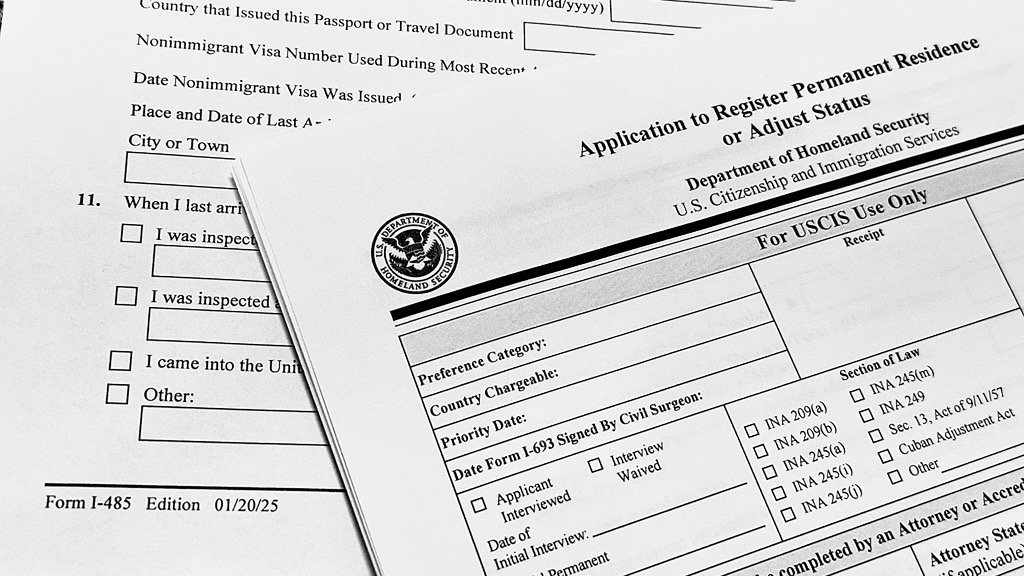
Form preparation is one of the most critical stages of any immigration case. Every application submitted to immigration authorities must contain complete, accurate, and consistent information. Even minor errors can lead to processing delays, requests for additional evidence, or other complications during case review.  For immigration attorneys managing multiple cases, collecting documents, verifying information, and preparing applications can become time-consuming. This is where immigration runners provide valuable support by assisting law firms with administrative tasks and helping maintain efficient case workflows.    Why accuracy matters in immigration applications  Immigration applications often requires detailed information regarding a client’s personal history, immigration background, employment records, family relationships, and supporting documentation.  When information is incomplete, inconsistent, or inaccurate, unnecessary delays may occur. For this reason, careful review of every detail before filing is essential.  Government agencies review applications based on the information provided. Accurate documentation helps legal teams:  Reduce clerical errors  Improve case organization  Maintain consistent client records  Streamline case preparation  Minimize requests for missing information  By prioritizing accuracy during form preparation, attorneys can help ensure that applications are properly organized before submission.  How immigration runners support form preparation  Application preparation involves much more than completing government forms. Attorneys must gather information, communicate with clients, review documentation, and organize case materials.   Immigration Runners support law firms by assisting with administrative processes such as:  Collecting missing information from clients  Organizing supporting documentation  Preparing intake summaries  Maintaining organized case files  Sending draft applications for client review  Following up on outstanding document requests  This support allows attorneys to focus on legal analysis and case strategy while receiving organized information for final review.    Common challenges during preparation  Form preparation can become complicated when clients provide incomplete or inconsistent information.  Common challenges include:  Forgotten previous addresses  Missing employment history  Incomplete supporting documentation  Conflicting dates or timelines  Delayed responses to information requests  Early communication and proper organization can help identify these issues before filing. Maintaining regular contact with clients allows legal teams to gather the information necessary to prepare complete and accurate applications.    What attorneys should avoid during form preparation  Successful preparation requires careful attention to detail. Attorneys and support teams should avoid:  Submitting forms with unanswered questions when explanations are required  Relying on outdated client information  Filing applications before reviewing all supporting documents  Failing to verify information provided by clients  Overlooking inconsistencies between forms and supporting evidence  A structured workflow can significantly reduce these risks and improve overall case management.    The role of communication in successful case preparation  Effective communication is essential throughout the form preparation process.  Clients must clearly understand what information and documents are required. Likewise, legal teams should establish organized procedures for document collection, follow-up requests, and application review.  Immigration runners often serve as a valuable communication bridge between attorneys and clients by helping collect requested information, coordinating document submissions, and ensuring clients review draft applications before final attorney review.    Conclusion  Successful Form Preparation requires organization, communication, and accurate information. Immigration Runners help law firms manage many of the administrative tasks involved in preparing immigration applications while supporting efficient case workflows.  By prioritizing accuracy and maintaining organized records, attorneys can better prepare cases for review and help minimize avoidable delays. Whether managing a single application or a large caseload, a structured approach to filling out applications remains essential for effective immigration case management.  For more information check:  👉 https://immigrationrunners.com/🔗 LinkedIn profile.✉️ contact@immigrationrunners.com

 Form Preparation: The foundation of every case Read More »

USCIS policy changes & immigration runner support

USCIS policy changes & immigration runner support

USCIS policy changes continue to reshape the immigration process across the United States. Attorneys, law firms, and legal staff must constantly adapt to new procedures, filing requirements, documentation standards, and case review policies. As a result, many immigration professionals are facing increased workloads and tighter deadlines.  In many cases, lawyers are not only handling legal arguments and client communication but also spending valuable time managing operational tasks. This can reduce efficiency and create unnecessary pressure inside a firm. Therefore, many attorneys are turning to operational support services like Immigration Runners to help maintain organization while focusing on legal strategy and case preparation.  Understanding USCIS policy changes  Immigration law is highly dynamic, and policy updates can happen with little notice. USCIS policy changes may affect:  Filing procedures   Eligibility requirements   Interview policies   Processing times   Evidence standards   And much more  For official immigration updates, attorneys and applicants often monitor the u.s. citizenship and immigration services (USCIS) website regularly.  However, staying current with these developments requires time and attention to detail. This is especially true for high-volume immigration practices handling multiple case types simultaneously.   Why attorneys need operational support during immigration changes  In first place, immigration attorneys must dedicate significant attention to legal analysis and client advocacy. When policy updates occur frequently, administrative responsibilities can quickly become overwhelming.  This is where Immigration Runners can provide valuable support. Their role is not to provide legal advice, but rather to assist firms with operational and logistical tasks that help maintain workflow efficiency.  Some common support services include:  Organizing case documentation   Managing filing logistics   Tracking deadlines   Coordinating document retrieval   Supporting communication between departments   Moreover, these services allow attorneys to focus more effectively on legal strategies, client preparation, and compliance review.   What Immigration Runners help law firms manage  As immigration practices grow, operational coordination becomes increasingly important. USCIS policy changes often require firms to respond quickly while maintaining accuracy.  Immigration runners help law firms by supporting time-sensitive operational tasks, including:  Case organization  Maintaining organized digital and physical files helps reduce confusion and improve efficiency across departments.  Filing preparation support  Although attorneys remain responsible for legal review, operational teams can help prepare filing packets and coordinate logistics.  Time management assistance  By handling administrative coordination, Immigration Runners help attorneys dedicate more time to client representation and legal analysis.  Court and agency coordination  In many cases, firms must manage communication with multiple government agencies. Operational support helps ensure smoother coordination and workflow continuity.   What attorneys should avoid during policy transitions  During periods of immigration policy updates, law firms should avoid relying on outdated procedures or incomplete documentation systems.  For example, firms should avoid:  Ignoring updated filing requirements   Using old forms or instructions   Waiting until deadlines approach   Overloading attorneys with administrative duties   Failing to maintain organized records Now, more than ever, operational efficiency is closely connected to legal success.  How USCIS policy changes affect client expectations  Clients often become anxious when they hear about immigration policy updates. These changes can create uncertainty regarding timelines, approvals, and eligibility requirements.  Therefore, attorneys must balance legal guidance with responsive communication. This can become difficult when firms are overwhelmed operationally.  Immigration runners help improve internal organization, which may allow legal teams to respond to clients more efficiently and maintain smoother case progression.  How to protect your immigration case during policy updates  Finally, individuals and law firms should take proactive steps when immigration procedures change.  Helpful practices may include:  Monitoring official government announcements   Keeping documentation updated   Responding quickly to requests for evidence   Maintaining organized case files   Seeking qualified legal guidance   Using reliable operational support systems   Conclusion  As immigration procedures continue evolving, USCIS policy changes remain a major challenge for attorneys and law firms across the country. While legal professionals focus on advocacy, compliance, and strategy, operational support services like Immigration Runners can help improve organization, efficiency, and workflow management.  In many cases, this type of support allows attorneys to dedicate more time to legal preparation while maintaining structured case management during periods of constant immigration updates. Because every case is different, individuals should always seek qualified legal guidance regarding their specific immigration matter.  Explore our support for immigration attorneys: 👉 https://immigrationrunners.com/🔗 LinkedIn profile.✉️ contact@immigrationrunners.com

USCIS policy changes & immigration runner support Read More »

Caseload organization with immigration runners

Caseload organization with Immigration Runners

Caseload organization has become one of the most critical challenges facing modern immigration law firms. Attorneys today handle increasing volumes of cases, strict filing deadlines, ongoing client communication, and complex documentation requirements. In many cases, the difficulty is not legal knowledge but operational efficiency. Lawyers often find themselves overwhelmed by administrative demands that reduce the time available for legal strategy and client advocacy.  Immigration practices operate in fast-moving environments where delays can directly affect a client’s future. First and foremost, firms must recognize that organization is no longer simply an internal preference—it is a professional necessity. This is where immigration runners provide essential operational support that helps attorneys regain control over their workflow.  What does caseload organization mean in immigration practice?  This refers to the structured management of client matters, deadlines, documentation, attorney schedules, and internal communication systems within a law firm.  It goes beyond maintaining files. Instead, it includes:  Tracking court deadlines and filings   Coordinating client documentation   Managing attorney calendars   Monitoring government correspondence   Supporting administrative workflows   Often, immigration cases frequently involve multiple government agencies such as:  USCIS → https://www.Uscis.Gov   ICE → https://www.Ice.Gov   Department of justice → https://www.Justice.Gov   Each agency has different procedures, timelines, and documentation standards. Without structured systems, errors become more likely.  Therefore, organized operational support allows attorneys to focus on legal analysis rather than logistical coordination.   How immigration runners improve caseload organization  Immigration runners act as operational extensions of the law firm. Rather than practicing law, they handle logistical and administrative responsibilities that keep cases moving efficiently.  Our support often includes:  Assisting with document collection   Organizing physical and digital files   Tracking deadlines and submissions   Coordinating internal workflows   In many cases, attorneys regain several hours per week simply by delegating these operational responsibilities.  This helps firms maintain consistency, reduce stress, and prevent last-minute emergencies. Immigration runners contribute directly to caseload organization by ensuring that processes remain predictable and structured.   What law firms should NOT do when handling large case loads  Many firms attempt short-term solutions that unintentionally worsen inefficiency.  Common mistakes include:  Relying solely on memory or email chains for deadlines   Assigning attorneys routine administrative tasks   Waiting until problems appear before reorganizing workflows   Overloading paralegals without operational support   Nevertheless, reactive management often leads to missed opportunities for improvement.  Instead, firms should implement systems that promote long-term stability. Structured operational assistance strengthens caseload organization while preventing recurring workflow disruptions. Legal and operational consequences of poor caseload organization Disorganization does not only affect productivity—it can also create professional risk.  Potential consequences include:  Missed filing deadlines   Delayed responses to agency requests   Client dissatisfaction   Increased compliance concerns   Government agencies maintain strict procedural expectations. For example, immigration courts under the department of justice require precise filing timelines, while USCIS maintains structured response periods.  In many cases, operational delays—not legal weaknesses—create unnecessary complications in cases.  Lastly, consistent administrative support reinforces caseload organization, helping firms reduce risk while improving client service quality.  How immigration runners strengthen law firm management  Immigration runners bridge the gap between legal work and operational execution.  Their impact extends beyond individual cases:  Improved internal communication   More predictable workflow systems   Reduced staff burnout   Better allocation of attorney resources   Enhanced client experience   Moreover, management teams benefit from clearer oversight of daily operations. This operational clarity allows firms to grow sustainably without sacrificing efficiency.  By supporting documentation flow, scheduling coordination, and administrative logistics, immigration runners become essential contributors to modern caseload organization strategies.   Conclusion  Effective caseload organization is no longer optional for immigration law firms managing growing workloads and strict legal deadlines. Structured operational support allows attorneys to focus on legal advocacy while ensuring that documentation, scheduling, and internal coordination remain efficient.  Immigration runners help transform firm management by organizing not only client cases but also freeing attorney time and operational processes. Therefore, firms seeking long-term efficiency should consider integrating professional operational support into their workflow while also consulting qualified legal professionals for case-specific guidance.   Learn more about how we support immigration attorneys: 👉 https://immigrationrunners.com/🔗 LinkedIn profile.✉️ contact@immigrationrunners.com

Caseload organization with Immigration Runners Read More »

Document translation support for Immigration Attorneys

Document translation: Immigration Runner support for attorneys

In immigration law, document translation plays a critical role in ensuring accuracy, clarity, and efficiency in legal representation. Immigration attorneys frequently handle multilingual evidence, and any error in translation can affect case outcomes, delay filings, or trigger Requests for Evidence. Immigration Runner provides professional support to attorneys by delivering reliable translations for all immigration documents, helping maintain clarity and legal precision throughout the process.  What is document translation in immigration law?  Document translation refers to the accurate conversion of foreign-language documents into English for legal use in immigration proceedings. These documents may include:  Birth certificates   Marriage certificates   Police records   Medical reports   Affidavits and declarations   In many cases, immigration authorities such as USCIS require certified translations to ensure documents are fully understandable. You can find official requirements here: Chapter 6 – Evidence | USCIS  Case Preparation  Immigration attorneys rely heavily on document translation to prepare strong and complete case filings. Without accurate translations, even strong cases can face delays or complications.  In many situations, Immigration Runner supports attorneys by:  Translating legal and personal documents with precision   Ensuring consistency across all case materials   Formatting documents for court and USCIS submission   Supporting multilingual evidence organization   Additionally, this service helps attorneys save time and focus on legal strategy rather than administrative translation work.  Why accurate translation matters in complex immigration cases  Accurate document translation is not just a technical requirement—it directly impacts the strength of a case. Misinterpretations or incomplete translations can lead to delays, Requests for Evidence (RFEs), or even denials.  Additionally, when dealing with humanitarian and relief-based applications, precision becomes even more important. In cases involving visas such as T visas, U visas, or waivers, attorneys must ensure that every document reflects the correct legal meaning.  Final thoughts on document translation   Ultimately, document translation is a foundational component of successful immigration case preparation. It ensures that attorneys can present accurate, well-organized, and legally sound Documentation in every filing. Immigration Runner helps bridge the gap between multilingual Documentation and legal strategy, supporting attorneys in delivering stronger case outcomes.  For immigration professionals, having reliable translation and briefing support is not optional—it is essential for maintaining quality and compliance in today’s complex legal environment. Seeking professional assistance can significantly improve efficiency and reduce avoidable errors in case preparation.  Learn more about how we support immigration attorneys: 👉 https://immigrationrunners.com/🔗 LinkedIn profile.✉️ contact@immigrationrunners.com

Document translation: Immigration Runner support for attorneys Read More »

Consular Process: Support for attorneys case management

Consular process: support for attorneys case management

Consular process is a critical pathway for many immigrants seeking lawful entry or permanent residence through U.S. Consulates abroad. However, immigration attorneys managing multiple matters must coordinate documentation, deadlines, and international logistics simultaneously. This workload can quickly become overwhelming.  To maintain efficiency, many law firms rely on specialized operational support. Immigration runners assists attorneys behind the scenes, allowing legal professionals to focus on strategy and client advocacy while administrative and procedural tasks are handled efficiently.  What does the consular process involve?  In first place, it is important to understand that this process refers to obtaining an immigrant visa through a U.S. Embassy or consulate outside the United States rather than adjusting status domestically.  Typically, the consular process includes:  Petition approval through the U.S. Citizenship and immigration services (USCIS)   Case transfer to the national visa center (NVC)   Submission of civil documents and financial evidence   Scheduling of the consular interview   Medical examinations and final visa issuance   You can review official immigration procedures directly on the USCIS website.  However, even when eligibility is clear, documentation issues or administrative delays may slow case progression. Why attorneys need operational support during the process  Immigration attorneys frequently manage high caseloads involving family petitions, waivers, and immigrant visa applications at the same time. The consular process requires consistent monitoring, agency communication, and organized document preparation.  Immigration runners assists attorneys with:  Coordinating document collection  NVC uploads and case tracking   Client communication support   Interview logistics preparation  Case status monitoring   This operational assistance reduces administrative workload without replacing legal representation. Attorneys remain fully responsible for legal analysis and client counseling.   Common challenges in consular process cases  Many matters involve challenges beyond completing forms.  Some common challenges include:  Missing civil records from foreign countries   Translation requirements   Consular appointment delays  Requests for additional evidence   Communication barriers with clients abroad   Structured workflows help minimize these risks. Immigration runners supports consistent case management, helping prevent avoidable delays. Coordination may also involve background reviews conducted by federal agencies such as the department of justice.   What attorneys should avoid during the process  Law firms handling immigrant visa matters should avoid common procedural mistakes:  Delayed document uploads  Incomplete financial evidence submissions   Failing to monitor nvc communications  Overlooking country-specific requirements   Because the consular process is highly procedural, even minor administrative errors can lead to interview rescheduling or extended processing times.  Delegating operational tasks to trained support teams allows attorneys to maintain efficiency while protecting case quality.   How immigration runner helps protect case progress  Successful case movement often depends on organization rather than legal complexity. Immigration runners functions as an extension of the legal team, helping each case advance efficiently.  Key advantages include:  Standardized workflows across clients   Faster document preparation timelines   Improved internal communication between staff and attorneys   Reduced administrative backlog   As a result, attorneys gain more time to focus on legal strategy and client preparation while maintaining compliance with federal immigration procedures overseen by agencies such as ice.   Legal coordination and compliance considerations  It is important to clarify that immigration runners does not provide legal advice. Instead, services are performed under attorney supervision, supporting licensed professionals with operational tasks only.  This distinction protects both attorneys and clients. Law firms retain full authority over legal decisions while benefiting from structured administrative assistance.  Compliance with federal and state regulations remains essential, particularly when coordinating international documentation and government communication  Conclusion  Finally, consular process remains one of the most effective immigration pathways for clients applying  abroad, yet it requires detailed coordination and consistent follow-up. Immigration runners helps attorneys manage the operational demands associated , allowing legal professionals to dedicate more attention to strategy, advocacy, and client preparation.  For law firms seeking greater efficiency and organized case management, working with specialized support services can strengthen workflows while maintaining professional standards. Therefore, attorneys handling immigrant visa cases should consider structured operational assistance and always seek proper legal guidance.  Learn more about how we support your team: 👉 https://immigrationrunners.com/🔗 LinkedIn profile.✉️ contact@immigrationrunners.com

Consular process: support for attorneys case management Read More »

Immigration Runners: Your Resource for Complex Waivers

Immigration Runners: Your Resource for Complex Waivers

Waivers are a fundamental tool in the immigration system, especially when there are inadmissibilities or legal barriers that prevent a case from moving forward. However, many attorneys face tight deadlines, heavy caseloads, or even insufficient documentation when preparing complete applications. In many situations, this can affect the quality of the case file and delay in processes.   For this reason, support services like Immigration Runners become essential in helping attorneys organize, structure, and complete applications—especially when cases are complex or require detailed attention. This support allows for better resource management, fewer errors, and improved efficiency in case preparation.  What do waivers mean in immigration?  Waivers are formal requests that allow individuals to seek forgiveness or exemption from certain immigration inadmissibilities. For example, they may apply in cases involving unlawful presence, immigration fraud, or criminal history that prevents admission into the United States.   First, it is important to understand that each type of waiver has specific requirements established by agencies such as the U.S. Citizenship and Immigration Services (USCIS).  Additionally, these processes generally require strong evidence, properly completed forms, and a well-structured legal statement. Therefore, any error in preparation can result in delays or denials.  How waivers can complicate legal cases  Waiver cases can be complex due to multiple factors, including:  Failure to demonstrate “extreme hardship” to a qualifying relative   Lack of extensive and well-documented evidence   Complex immigration histories and background issues   In these scenarios, external support can make a significant difference in the organization and strength of the case.   How Immigration Runners support waiver cases   Immigration Runners services do not replace the attorney; instead, they function as operational support. This is especially valuable for attorneys managing high volumes of cases or dealing with incomplete files. It also allows attorneys to focus on legal strategy while another part of the team handles execution.  In many cases, this support includes: Assisting with the preparation of waiver packets   Organizing documentation   Completing forms   Drafting detailed client and qualifying relative statements   Reducing administrative errors   However, it is essential that the attorney maintains legal oversight of the case, ensuring that each waiver application meets all requirements set by immigration authorities.   Conclusion  Waivers are a critical part of the immigration process and require careful preparation both legally and organizationally.   The support of Immigration Runners allows attorneys to optimize time, reduce errors, and submit stronger applications—without losing legal control of the case. Efficient preparation, combined with a well-defined legal strategy, can make a meaningful difference in the outcome.  Learn more about how we support immigration attorneys: 👉 https://immigrationrunners.com/🔗 LinkedIn profile.✉️ contact@immigrationrunners.com

Immigration Runners: Your Resource for Complex Waivers Read More »

Form preparation for humanitarian visas: greater accuracy

Form preparation for humanitarian visas: why accuracy is critical in complex immigration cases

Why humanitarian visa cases require careful form preparation  Humanitarian immigration cases involve vulnerable individuals seeking protection under U.S. immigration law. Petitions such as VAWA, T visas, U visas, and humanitarian parole applications require extensive documentation and strong legal arguments.  However, even when a case has solid legal foundations, mistakes during form preparation can cause delays, trigger Requests for Evidence (RFEs), or even lead to denials. Because humanitarian cases often depend on detailed personal histories and timelines, accuracy in every document is essential.  Official USCIS information about humanitarian programs: 🔗 https://www.uscis.gov/humanitarian  Why form preparation matters in humanitarian visa filings  Humanitarian visa applications depend on detailed timelines, personal history, and specific eligibility requirements. For that reason, precise form preparation is critical to ensure that all information submitted to USCIS is consistent and properly structured.  Clear and organized submissions help immigration officers understand the case more easily and reduce unnecessary complications during the review process.   Common challenges attorneys face during form preparation  Immigration attorneys frequently manage heavy caseloads that include complex humanitarian petitions. As a result, maintaining consistency between forms, declarations, and supporting documents can become challenging.  Common issues during form preparation include:  Inconsistent dates between forms and declarations  Missing information in personal history sections  Incorrect eligibility selections  Disorganized supporting documentation  USCIS guidance on completing immigration forms: 🔗 https://www.uscis.gov/forms  These challenges show why careful form preparation is essential before submitting any humanitarian immigration filing.  How Immigration Runners supports attorneys  At Immigration Runners, we support immigration attorneys by helping organize information and structure filings during the form preparation stage of humanitarian visa cases.  Our team assists attorneys by:  Preparing immigration forms based on attorney instructions  Organizing information across multiple documents  Maintaining consistency between forms and declarations  Formatting submissions to facilitate USCIS review  With reliable form preparation support, attorneys can focus more on legal strategy and client representation while maintaining efficient case workflows.   Final thoughts on humanitarian visa filings  Humanitarian immigration petitions require precision, organization, and consistency. Even strong cases may face delays if forms contain errors or inconsistencies.  For this reason, effective form preparation strengthens the overall case presentation and helps ensure that USCIS receives clear and organized filings.  Learn more about our services:  👉 https://immigrationrunners.com/🔗 LinkedIn profile.✉️ contact@immigrationrunners.com

Form preparation for humanitarian visas: why accuracy is critical in complex immigration cases Read More »

Attorney mentorship and process consulting for complex immigration cases

Strengthening firms through strategic guidance  Immigration law is constantly evolving, and complex filings demand more than simply completing forms. Strategic attorney mentorship and process consulting help immigration firms refine case preparation, strengthen legal arguments, and build internal confidence when handling waivers, I-130 complications, VAWA petitions, and humanitarian visas.  At Immigration Runners, we provide structured attorney mentorship and process consulting designed to support firms navigating challenging immigration matters while maintaining full attorney control over legal strategy.  Why attorney mentorship matters in waiver cases  Waivers such as Form I-601 and I-601A require careful hardship analysis and persuasive documentation. These filings are not purely procedural; they demand strong narrative development and legal framing.  Official USCIS waiver information: 🔗 https://www.uscis.gov/i-601 🔗 https://www.uscis.gov/i-601a  Through attorney mentorship and process consulting, we assist firms in:  Structuring hardship declarations  Organizing supporting documentation  Reviewing timeline consistency  Strengthening overall case presentation  This collaborative approach improves clarity without interfering with attorney judgment.  Applying Attorney Mentorship And Process Consulting To I-130 And Family Cases  Family petitions, including I-130 filings, sometimes involve complex issues such as prior denials, inadmissibility concerns, or allegations of marriage fraud.  Official USCIS guidance on Form I-130: 🔗 https://www.uscis.gov/i-130  Strategic attorney mentorship and process consulting help attorneys:  Evaluate documentation structure.  Improve narrative consistency.  Anticipate potential Requests for Evidence (RFEs)  Strengthen submission organization   Rather than replacing internal legal teams, we enhance workflow systems and preparation standards.  Supporting VAWA and Humanitarian Filings  Humanitarian cases — including VAWA self-petitions and U or T visas — require trauma-informed preparation and meticulous documentation.  Official USCIS resources: VAWA:  🔗 https://www.uscis.gov/humanitarian/abused-spouses-children-and-parents U Visa:  🔗 https://www.uscis.gov/humanitarian/victims-of-criminal-activity-u-nonimmigrant-status T Visa:  🔗 https://www.uscis.gov/humanitarian/victims-of-human-trafficking-t-nonimmigrant-status  In these matters, attorney mentorship and process consulting focuses on:  Declaration structure refinement  Evidence organization systems  Cover letter strategy alignment  Quality control workflows  Because humanitarian filings carry high stakes, structured guidance strengthens internal processes and reduces avoidable errors.  Building long-term efficiency through attorney mentorship and process consulting  Law firms managing high caseloads often experience workflow inconsistencies. Implementing standardized systems through attorney mentorship and process consulting helps firms:  Reduce drafting inefficiencies  Improve internal quality control  Create repeatable filing templates  Train junior attorneys and staff  Over time, structured operational guidance leads to more predictable outcomes and improved team performance.  A Collaborative Model for Growing Firms  Immigration Runners does not replace your legal team. Instead, our attorney mentorship and consulting services integrate into your firm’s workflow to enhance preparation standards and case organization.  We operate under attorney direction at all times. All evidence and legal determinations remain within the firm’s control. Our role focuses on operational refinement, structured drafting support, and process improvement.  Final Thoughts  Complex immigration cases require clarity, structure, and strategic preparation. With professional attorney mentorship and process consulting, firms can strengthen waiver filings, improve humanitarian petitions, and build scalable internal systems.  Immigration Runners partners with attorneys to transform operational challenges into efficient, structured workflows.  Learn more about our services:👉 https://immigrationrunners.com/🔗 LinkedIn profile.✉️ contact@immigrationrunners.com

Attorney mentorship and process consulting for complex immigration cases Read More »

Scroll to Top